
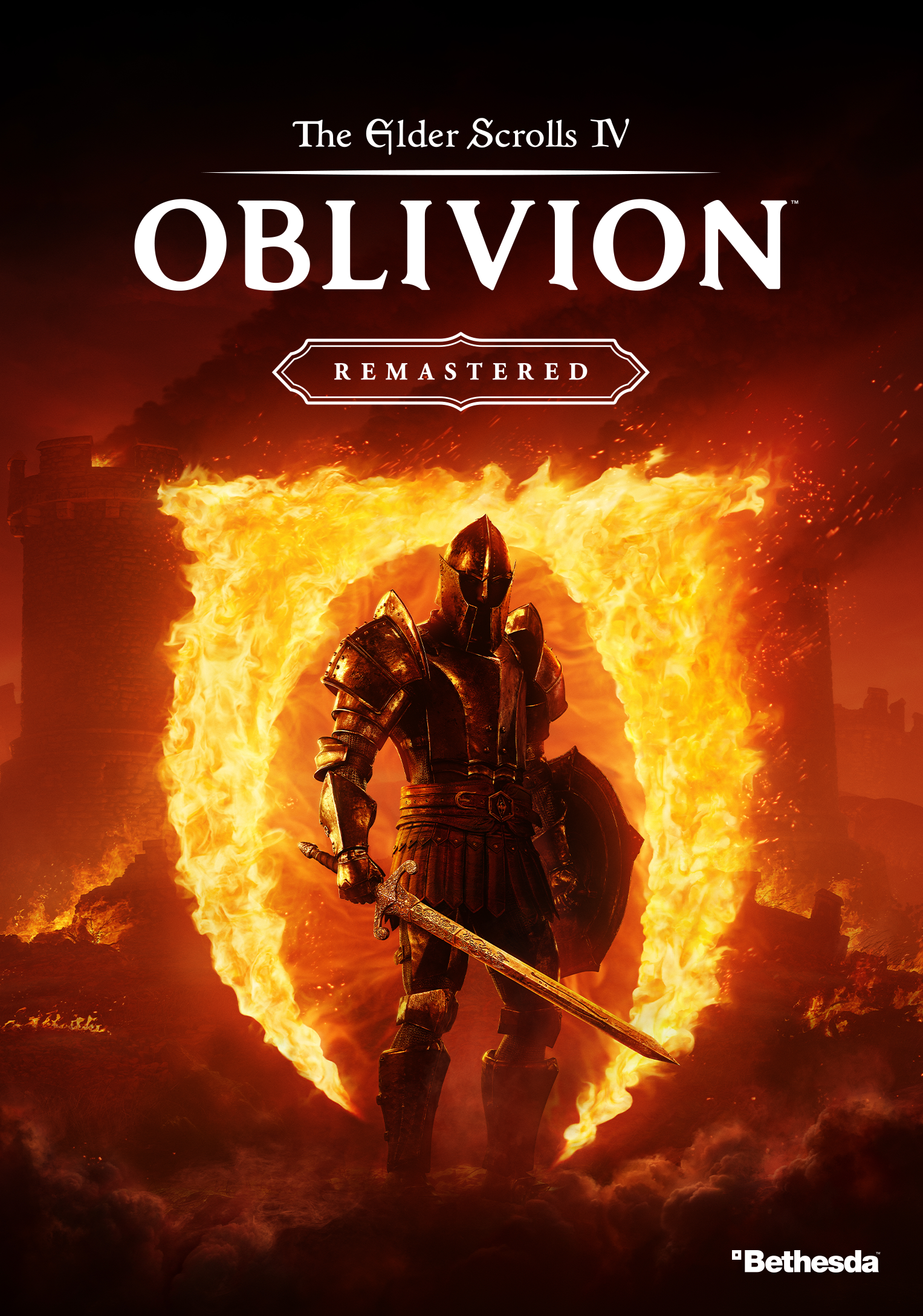
“I have seen the gates of Oblivion, beyond which no waking eye may see…Behold: in darkness, a doom sweeps the land…” — Emperor Uriel Septim, Elder Scrolls IV: Oblivion (2006)
Listen — can you hear the brass horns sounding? It is the twenty seventh of Last Seed, the year of Akatosh, 433, and nearly two decades after the original release, Elder Scrolls IV: Oblivion Remastered is poised to open the gates once more. Developer Virtuous’ remaster of the classic RPG shadow dropped today, instantly topping charts and garnering acclaim. I for one am more excited than a Khajiit with a pocketful of moon sugar. Indeed, I think Oblivion was the perfect Elder Scrolls to remaster, at the perfect time.
That is not a universal opinion. The title of Jim Trinca’s Eurogamer article says it all: “Remake Morrowind, not Oblivion, you Cowards”. Trinca rightly points out that Elder Scrolls III “laid much of the groundwork” for the “hugely successful Bethesda template that we know and sometimes love, sometimes hate today”, and he is certainly not alone. Morrowind was a groundbreaking game — and it arose from a three year development window with a team of forty or so folks who put their all into hand-crafting one of the most unique game worlds in the Fantasy genre across any medium. That’s precisely why it should not, perhaps could not be remastered — but I’ll get to that.
I understand the angst, by Azura, I do: Morrowind is among my three favorite games of all time; Oblivion is not. It did, however, have a profound impact on my development as an RPG enthusiast, a storyteller, and a human being — a bold statement, I know. I’m not sure how many hours I’ve spent playing Oblivion between the Xbox 360 and subsequent forays on PC, always with a new mod list to keep the experience fresh. I can tell you that the game helped me through an adolescence marked by isolation and depression, filling a niche nothing else could. In the summer of 2006, it occupied a similarly singular role in the gaming world.
I still don’t know how my mother was able to afford the Xbox 360 and game for my thirteenth birthday. Opening that green and white box I could not have anticipated what that disc would mean — neither had my Mom, else she would have chucked it through the nearest Oblivion gate. It was 103 degrees in the California San Joaquin Valley most days June through September; my mother worked late; I was left to my own devices coming off the back end of my first depressive episode after the death of a schoolmate and a year of bullying and shame. I booted up the game and did not leave my room the next two months except of absolute necessity.
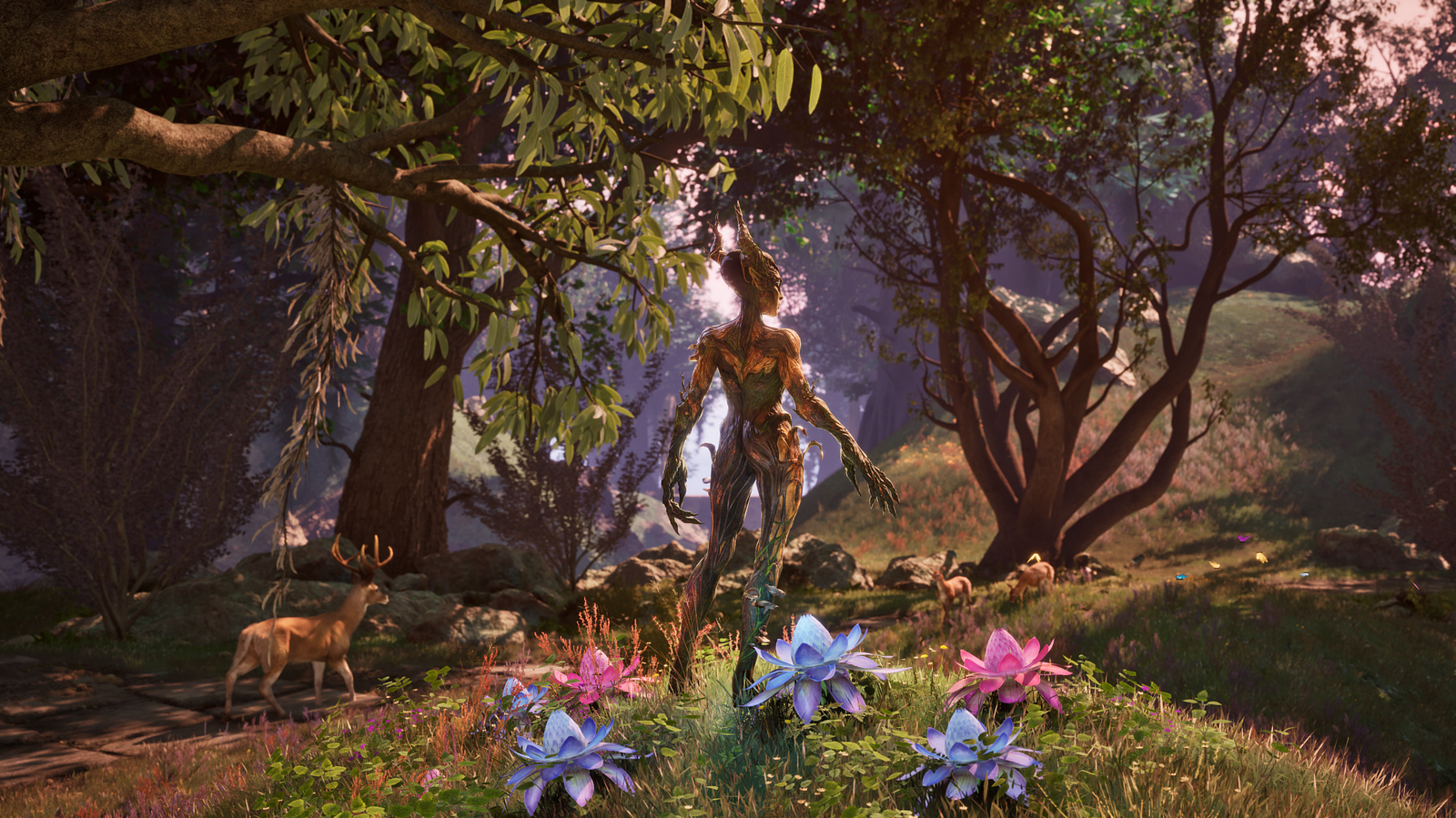
When I see that loading screen pan across Cyrodiil game map to the foreboding “Reign of the Septims” I can still imagine the grass waving in the breeze, the waters rippling with the red of sunset outside the Imperial Prison sewers, as I stared across to the Ayleid ruin of Vilverin and the mountains and their mysteries beyond. I remember infiltrating the Mythic Dawn with Baurus of the Blades, Owyn shouting me out of the Arena Bloodworks, Lucien Lachance coming to me in the night to congratulate me on my sins. I remember the hesitant Emperor, Martin Septim, and his sacrifice. I remember looking up at the vermillion sky of the Shivering Isles as I stood above the corpse of the Gatekeeper and heard the Mad God call my name. I remember it felt like home.
In the external world I faced abuse and uncertainty; in Cyrodiil I was safe. At school I was a chubby kid with pimples; in Cyrodiil I was a champion. And meanwhile, the game took on a life of its own in the larger world. It was largely hailed as the game of the year. Content proliferated on a prepubescent YouTube of people’s characters, their stories, shooting the Adoring Fan off the highest cliff in Cyrodiil (only for him to get back to his feet, yellow hair erect, eager to rejoin his beloved Grand Champion). As my family life collapsed and puberty did its damn thing, this game and its online community kept me excited about life long enough to choose to step outside again knowing I could choose to be my own version of a hero. That’s what great RPGs can do for us: they offer analogues to our own world, and a place for making meaning that we carry beyond the screen.
And so I love Oblivion, despite its flaws. Anyhow, there is something wonderful about those shortcomings — the models and their Hallmark-movie expressions, the acid color palette, the hyperbolic voice acting, the ragdoll physics. Even the aughties rendering of Cyrodiil has a kind of timelessness by merit of its non-specificity, which allows one to graft their own stories onto what may seem a generic Western European realm. Of course, I will never be thirteen again. Art is always inextricable from the context in which it was created, just as our experience of that art is inextricable from our position of access. Still, I believe Oblivion was objectively the right choice for a remaster.
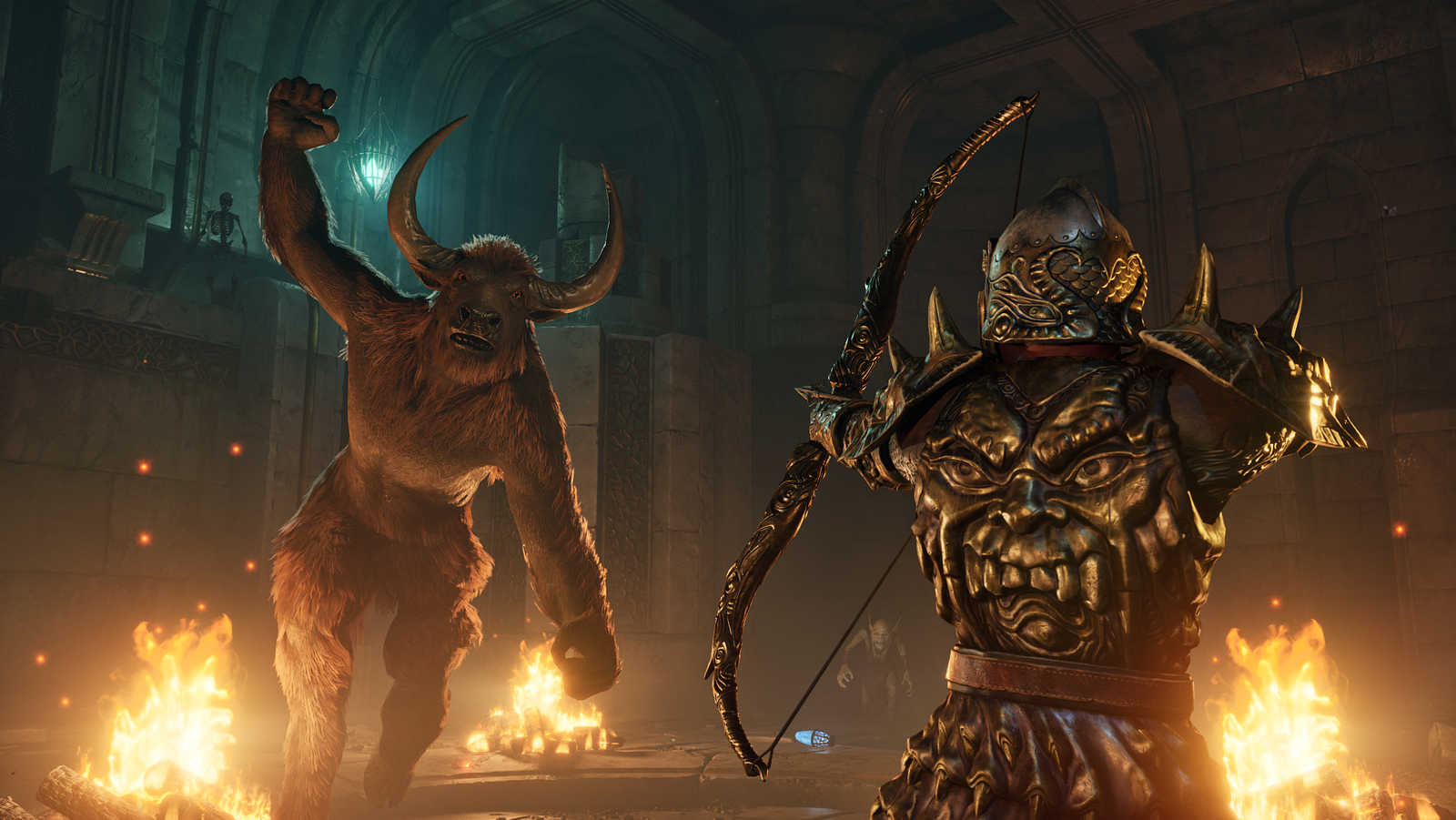
First of all, it is the easiest of the lot. Morrowind, with its plethora of hand-placed loot, hundreds of dungeons, and thousands of lines of text would require a behemoth effort — as evidenced by fan project Skywind, in development some 13 years. Arena and Daggerfall represent different but no less substantial challenges, with their procedurally generated dungeons and radiant quests. Oblivion, meanwhile, is the middle child of the “modern” Elder Srolls triptych, with an old school UI that renders the stats, items, and quest log as a scrollable book, but combat, dialogue, and fast travel that will feel familiar to anyone who has played Skyrim or, really, any of the Western RPGs which have since followed its standard. Oblivion Remastered reaches both backward and forward into the series’ DNA to create something new, which may well be a stepping stone and testing ground for what comes next.
It also serves as an entry point for a new generation of gamers while tapping the Elder Scrolls’ existing community. Oblivion tells the story of the fall of the Septim dynasty and the decline of the Empire. This leads directly to the Thalmor-Empire conflict in Skyrim, which will almost certainly be explored in greater depth in the next game. Thus, the remaster serves as refresher, prologue, and aperitif to get us through the long years that have passed and those yet to come between main releases. And comrades, I am parched; by the Nine, I might well be fifty by the time Elder Scrolls VII releases.
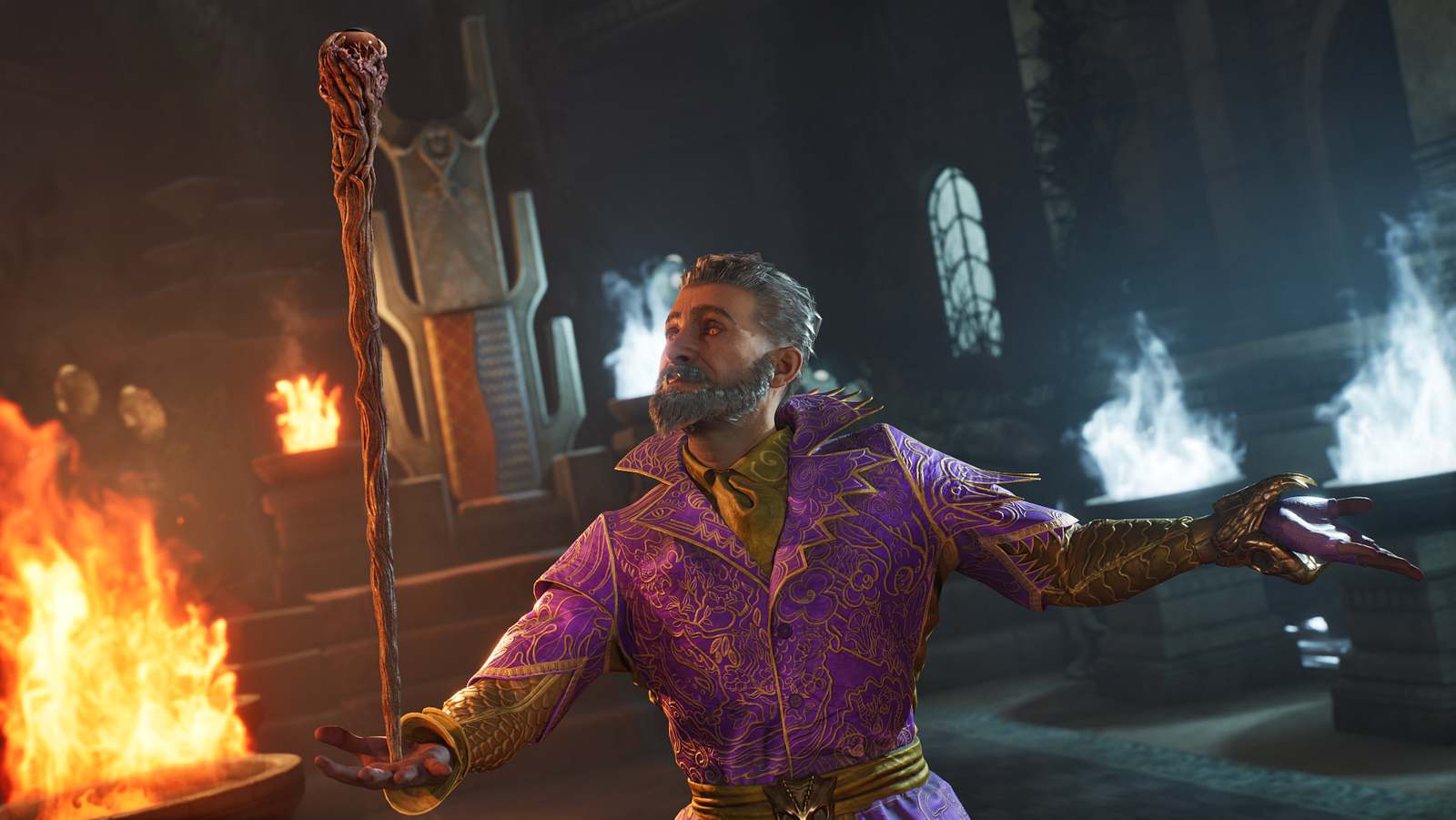
The Elder Scrolls’ games offer a space for roleplaying and co-creation that more recent offerings like Dragon Age: Veilguard, The Witcher 3, or even Breath of the Wild, with their fixed heroes cannot provide. And so I don my Legion armor once more, and ride forth with a new character to chart an ascendancy written in the stars and close shut gates of Oblivion.
And yes, I am going to buy that goddamn horse armor.

 R.M.Harper
Leave a comment